Health
Is sugar addictive?
3 min read
Cravings are real, nutrition researcher says — but here’s why lumping sweets with alcohol, nicotine is a problem
Part of the
Wondering
series
A series of random questions answered by Harvard experts.
Frank Hu is the Chair of the Department of Nutrition and the Fredrick J. Stare Professor of Nutrition and Epidemiology at Harvard T.H. Chan School of Public Health.
This is a heavily debated topic. Alcohol, nicotine, and opiates are all classified as addictive substances based on strict clinical criteria, and although sugar has been shown to increase cravings and compulsive eating behaviors, technically it’s not classified as an addictive substance based on current clinical criteria.
But the physical and psychological effects are real. Our food system is loaded with ultra-processed foods that contain not just added sugar but unhealthy fats and sodium. Those kinds of foods increase your cravings, because they’re very palatable, and they’re accessible. That leads to habitual consumption, and when you suddenly stop consuming those foods, you do experience some withdrawal-like symptoms: headaches, dizziness, anxiety, and so on. But it’s a matter of the degree: For alcohol, nicotine, and drugs, those symptoms are very severe, and it’s very difficult for people to completely stop consuming those substances.
We need some sweetness in our diets and in our lives.
So we can say that sugar has some addictive qualities, but it’s not officially classified as an addictive substance like alcohol, nicotine, or drugs.
It’s also important to make a distinction between a food or nutrient that we need to survive versus a drug or substance which can be completely removed from our diet. You can eliminate alcohol or drugs, but sugar is in fruits, vegetables, whole grains, milk, and other dairy products. If you consume low to moderate amounts of sugar, it’s not going to have major health consequences or psychological effects. The most important issue is the dose.
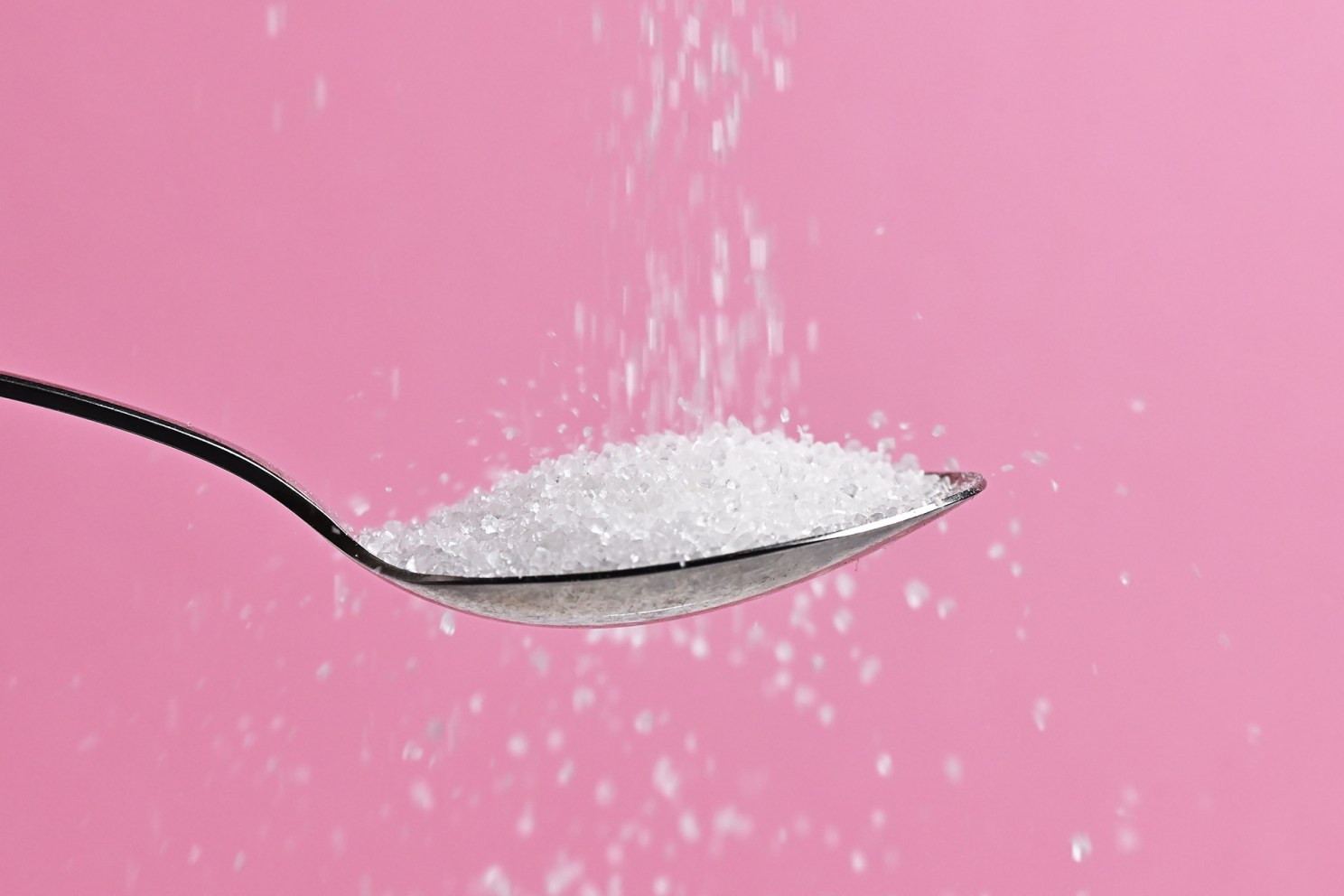
In the U.S. currently, the average person consumes almost 20 teaspoons a day of added sugar in things like sugary beverages, snacks, and sweets, which is enormous — it’s almost 300 calories. The recommendation from the American Heart Association is no more than 9 teaspoons of added sugar for men, 6 teaspoons for women, and much less for children.
People should be aware of the amount of sugar they’re consuming. Read the food labels for your cookies and snacks. Going cold turkey can backfire, so reduce your amount of added sugar gradually.
It’s difficult to classify sugar the same way as truly addictive substances. An appropriate amount of sugar in our diet can enhance flavor and texture; it can increase pleasure. We need some sweetness in our diets and in our lives. So if you classify sugar the same way as nicotine, it may be counterproductive.
— As told to Sy Boles/Harvard Staff Writer
Also in this series:
-
How do you make a game-winning field goal?
It’s all in the preparation, Crimson kicker says. And don’t worry. Either way, you’re only as good (or bad) as your last kick.
-
How children learn to be good
One tip for parents: Tell them about your mistakes
-
Why are you cursing?
Steven Pinker breaks down the history of taboo words, different categories of swearing, and the meaning conveyed by a bleep
-
How to dance like somebody’s watching
Choreographer offers tips on finding release: ‘Ain’t nobody concerned if you look good’
-
How to take yourself less seriously
Clinical psychologist draws line between self-deprecating humor (with its health, social benefits) and self-flagellation
-
What are the odds of picking a perfect NCAA bracket?
Statistician explains why ‘it’s unlikely to happen in anyone’s lifetime’
-
How much sleep do you need?
And what you can do to get it
-
What makes a good teacher?
One skill — arguably the most important for educators — is also hardest to define
-
Is cheese bad for you?
Nutritionist explains why you’re probably eating way too much
-
When we say ‘smart,’ what do we mean?
Computer scientist says we should shift focus to ‘educability’
-
Soda is bad for you yet your body wants it. Why?
Psychiatrist explains why we crave junk food — and how to cultivate healthier eating habits
-
Should kids play Wordle?
Early childhood development expert has news for parents who think the popular online game will turn their children into super readers